
Quimper Pottery - The Tradition & History of Quimper Faience
Posted by Pam - Merchant of Prato on Feb 25th 2026
Quimper Pottery - The Tradition & History of Quimper Faience
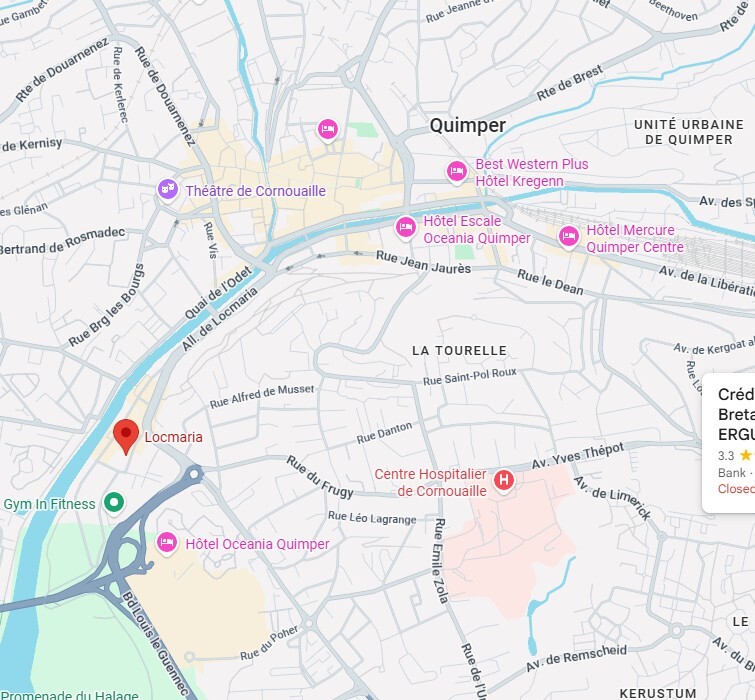
The tin-glazed hand painted French faience known as Quimper Pottery (pronounced "kem-pair") has been manufactured in Quimper, a town in Brittany, France for over 300 years. The pottery adopted its name from the town of Quimper where potter Jean Baptiste Bousquet, a potter from Marseilles, in 1685 built his first kiln in the Quimper area of Locmaria, a tiny hamlet on the outskirts of Quimper.
Locmaria is situated at the confluence of the Odet and Steir rivers, which proved to be the ideal environment for natural riverbed clay deposits – the perfect location to set up a pottery business. The rivers also provided easy access to water transportation to ship his goods throughout France. And the nearby forest provided an abundance of firewood for the kilns.
Jean Baptiste Bousquet started operating his kilns and was awarded a royal manufacturing license by King Louis XIV. Although the area of Locmaria in Quimper has been associated with pottery as far back as the Gallo-Roman era, Bousquet is credited with being the founder of "Quimper Pottery".
By the 18th century, Bousquet factory became known as La Grande Maison HB as his descendant, Antoine de la Hubeaudière, left his name on the business: La Grande Maison HB (H for Hubaudiere and B for Bousquet). For years, he was the only potter in town, but that was soon to change.
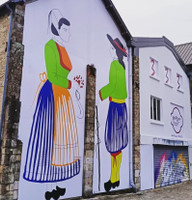
In 1779, a former employee of Grande Maison, Francois Eloury, established a second factory in Locmaria. By 1872, Francois’ descendant Mrs. Augustine Porquier ushered in a Golden Age of Quimper faience when she hired the artist, Alfred Beau. Beau’s artistry was exquisite and unparallel and featured floral designs accented with birds and sea life. He also developed a series of pottery entitled Scenes Bretonnes which featured Breton peasants in domestic scenes. Beau’s work from the Porquier Factory was sought after by collectors. After Beau’s departure from the factory in 1894, production at the factory ceased by 1903.
In 1789, Guillaume Dumaine established another factory in Locmaria. His specialty was grès stoneware. In 1884, his descendant Jules Henriot expanded the factory and began producing tradition “petit Breton” designs. This factory was known as HR or Henriot Quimper.
As the railroads began to cross France in the late 19th centuries, tourists flocked to seaside villages of Brittany from Paris. Quimper pottery became very famous and tourists purchased Quimper pottery to remember their seaside vacations.
In 1913, Jules Henriot purchased Porquier and works by Alfred Beau were reissued. The period between World War I and II was the most prolific period for the Henriot faiencerie.
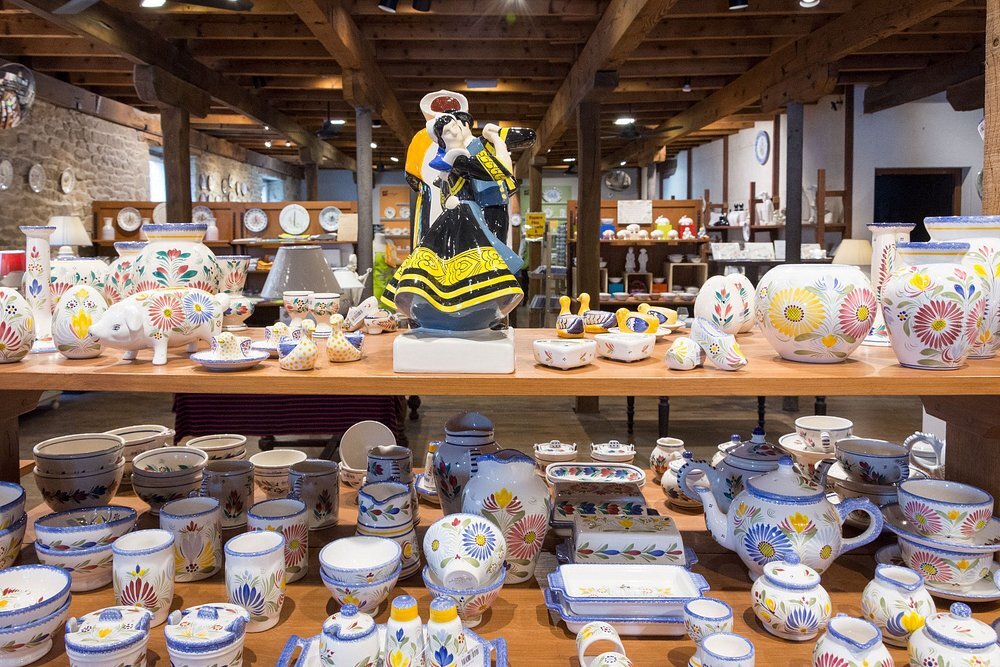
The beginning of the 20th century was a trying time for Grande Maison HB. World War I was upon them, money was tight and the factory was in dire need of modernization. In 1917, Jules Verlinque purchased Grande Maison HB and sought to revive it. He moved to a new modern facility and hired new artists, such as Paul Fouillen who introduced new Art Deco designs. In the 1920’s, the Odetta line was introduced which featured bold shapes and colors. It was a huge success.
Things were going smoothly until 1968 when the factory declared bankruptcy. The owner of HB (Hubaudière-Bousquet), Jean-Yves Verlingue purchased the Henriot factory and merged the workers and equipment into his factory. Now all three Quimper faienceries were now one merged into the Faïenceries de Quimper (specifically the merged HB-Henriot entity). This organization did not last long and went bankrupt in 1983.
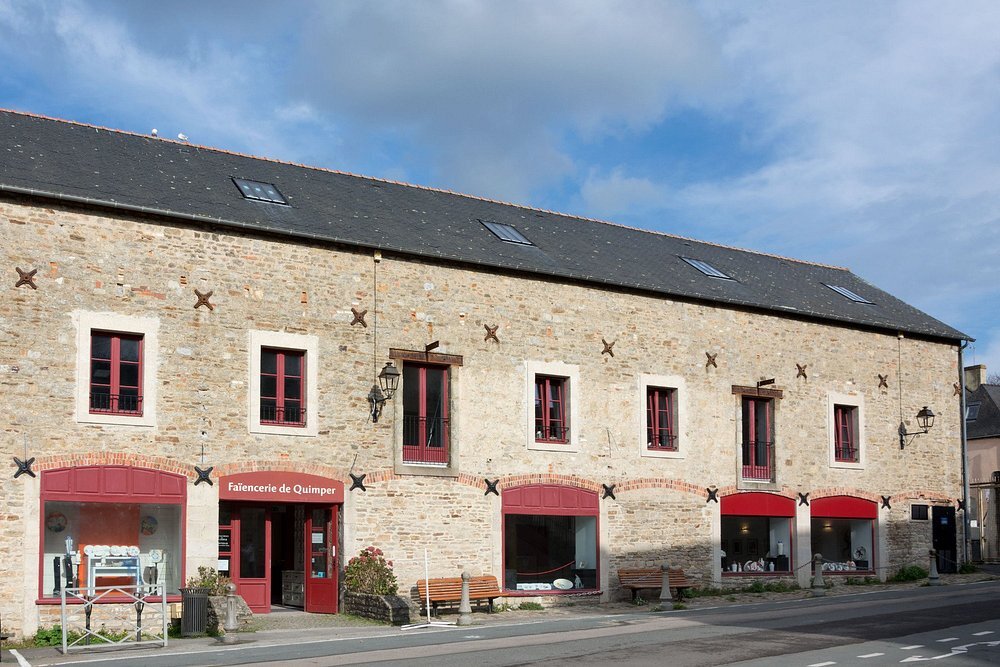
Over in the US, shopkeepers, Paul and Sarah Janssens had been selling Quimper Faience. When the factory announced bankruptcy, they decided to buy the Quimper factory, renaming it The New Quimper Faience. They sought to revive the business, first renovating the factory and then installing a modern computerized kiln. Then hiring local artisans, they set about keeping the ancient art of Quimper faience alive for future generations.
The Janssens ran the factory until 2003, when it was brought back under French ownership when Pierre Chiron, a French businessman purchased the company rebranding it Faïencerie de Quimper HB-Henriot. Under his leadership, the company continued its tradition of handcrafted, hand-painted earthenware. However, following financial difficulties, the firm was purchased in 2011 by Jean-Pierre Le Goff who continues to operate the factory to this day under the name Henriot Quimper.